
global logistics usa- business
Menu
  • Submit a news tip
  • DISCLAIMER
  • Contact us
Menu

Author: admin

corner pagodas - africa style

Angular Elegance: Transform Your Outdoor Space with Style and Functionality

Posted on 09/15/202510/01/2025 by admin

The Transformative Power of Corner Pagodas

Have you ever looked at that unused corner of your garden? Perhaps you always thought of it as wasted space. At Africa Style, we see untapped potential. Corner pagodas are the perfect answer to reinvent it. They masterfully adapt to any perimeter, even the most complex spaces become valuable. Imagine an exclusive, refined, and comfortable retreat—a place where innovative design meets functionality.

These structures are not just simple coverings. They are true outdoor design elements. Corner pagodas create a focal point that draws the eye with elegance. Every detail is carefully crafted. They turn bare corners into livable areas. Enjoy a new level of outdoor comfort. Discover how to maximize every inch of your space.

Our years of expertise are your guarantee. We understand the needs of outdoor spaces. We design solutions that last over time. A corner pagoda elevates your property’s aesthetics and significantly increases its perceived value. It is a smart investment in your well-being. Every pagoda is a work of precision. It offers shade and shelter with unmistakable style, creating a magical and welcoming atmosphere.

Think of a quiet reading nook or a stylish lounge area for your guests. Corner pagodas are unique and versatile solutions. They allow you to express your personal style. Every model is designed to harmonize perfectly with the surrounding environment. Don’t let a corner remain just a corner. Transform it into an unforgettable place. A distinctive touch of class is waiting for you.

Design and Customization: Beyond Functionality

The corners of your outdoor space are no longer forgotten places. Corner pagodas transform every square foot into a focal point. They create exclusive design oases with unmatched comfort. Imagine a personal retreat in your garden, the ideal place to relax or entertain your guests with style. Our structures reinvent every outdoor perspective, enhancing the aesthetics of your environment while optimizing space.

Personalization is at the heart of our philosophy. Each corner pagoda becomes a unique expression of your taste. We offer a wide selection of premium materials, from treated natural woods to contemporary metals. Exclusive finishes complete the elegance. Colors blend harmoniously with the landscape. Your personality is reflected in every detail you select. We create structures that tell your story.

These are not only about pure functionality. Corner pagodas integrate seamlessly into the environment. From minimalist designs to more classic styles, your every style preference finds full expression. The elegance of the lines combines with maximum usability. We design custom solutions, tailored exclusively for you. Your dreams and desires guide every stage of our creation. This ensures uncompromising aesthetics and immediate artisanal quality.

With Africa Style, innovation becomes reality. Our deep expertise guarantees superior quality. Every corner pagoda is a valuable investment in your daily well-being. Not just a product, but an experience. Transform that forgotten corner into a true masterpiece. Live outdoors with unmistakable and distinctive style. Rely on our expertise to make your dream come true—we will be by your side every step of the way.

Comfort and Functionality: Enjoy the Outdoors Year-Round

Have you ever thought about how to maximize that often-overlooked garden corner? Corner pagodas are the perfect solution. These unique structures redefine unused spaces, allowing you to enjoy the outdoors in any weather. They provide effective sun protection and reliable shelter from unexpected rain. A true refuge of style and functionality, created just for you.

Imagine magical evenings, illuminated with warmth and ambiance. Corner pagodas can easily integrate custom lighting systems. Personalize your retreat with elegant and practical side curtains. Add heating or cooling systems to enjoy the environment in every season. Extend the use of your outdoor space throughout the year. Every outdoor moment becomes a unique opportunity.

These structures are much more than simple decorative elements. They are true bastions of comfort and advanced functionality. They create a personalized oasis of well-being and relaxation. Corner pagodas transform a neglected corner into the new heart of your outdoor life. Here you can read, meditate, work remotely, or simply host friends and family.

Africa Style designs corner pagodas with top-quality materials and innovative design. Our solid experience guarantees aesthetically impeccable and long-lasting solutions. Every detail is crafted to ensure maximum functionality, comfort, and beauty. Living outdoors year-round is no longer just a dream. Every moment outdoors becomes a precious and unforgettable experience. Elevate your space with our distinctive style and reliability.

Valuing Every Corner: Investing in Your Outdoor Space

Every unexplored corner of your garden is waiting to be enhanced. A corner pagoda is not just outdoor furniture; it is a strategic investment. This intelligent solution boosts both the aesthetic and property value of your home. Transform often-overlooked areas into exclusive outdoor lounges where design and functionality merge seamlessly.

Our philosophy is based on uncompromising durability. We carefully select premium and robust materials: treated wood, weather-resistant metals, and advanced technical fabrics. These elements guarantee exceptional longevity. Your corner pagoda will withstand every season, requiring minimal maintenance while maintaining its timeless beauty.

Professional installation is a cornerstone of our service. It’s not just about assembly—it’s a guarantee of flawless stability and total safety. Our highly qualified team works with precision, overseeing every stage from inspection to final securing. This ensures a solid structure that stands firm. You can enjoy your new space without worry. Your corner pagoda will become a safe and serene haven.

Making a conscious choice today pays dividends tomorrow. A curated outdoor space elevates your quality of daily life. Africa Style’s corner pagodas are the perfect answer. They offer customized solutions with impressive visual impact. Invest in your comfort, privacy, and well-being. Transform your garden into a luxurious extension of your home. Enhance every centimeter with our expertise.

Conclusion

Corner pagodas revolutionize your outdoor living. They deliver unparalleled style, comfort, and functionality. Transform forgotten corners into spaces to cherish. Choose bespoke quality and design. Discover the perfect solution for you. To explore our innovative proposals, visit our dedicated section: Discover Africa Style Corner Pagodas.

Beach Pergola

Beach Pergolas: The Art of Crafting Shade Where Luxury Meets Logistics

Posted on 06/19/2025 by admin

When you hear the word beach pergola, your mind likely conjures up images of exotic shorelines, the rhythmic sound of waves crashing, and a light breeze filtering through a canopy of thatched palm leaves. But behind this idyllic picture lies a world that few consider: the world of logistics.

Designing, producing, transporting, and installing a beach pergola is not as simple as dropping a few wooden posts into the sand. Especially when you’re dealing with high-end resorts, luxury beach clubs, or exclusive private villas, the stakes rise dramatically. This is where African-style beach pergolas enter the stage, merging artisanal charm with logistical mastery.

The Essence of a Beach Pergola: More Than Just Shade

At first glance, a beach pergola is a simple structure: four posts, a roof, and perhaps some flowing drapery. But for those managing coastal properties, it represents much more.

A beach pergola defines space in an otherwise open, uncontrolled environment. It’s a functional sculpture that balances form and purpose:

  • It provides shelter from the sun’s punishing rays.
  • It creates an intimate, inviting atmosphere for guests.
  • It withstands harsh coastal elements: wind, salt, moisture, and intense UV exposure.

Choosing the right beach pergola means balancing aesthetics, durability, maintenance, and — most crucially for our audience — logistics.

Why African-Style Beach Pergolas Are in High Demand

When we say “African-style,” we’re referring to traditional techniques and materials used for centuries across the African continent. Think Makuti palm thatching from East Africa, heavy wooden beams crafted from sustainable hardwoods, and artisanal joinery that requires minimal hardware. These structures exude authenticity. They feel organic because they are organic.

But what makes them so appealing for luxury logistics?

  1. Authenticity sells. High-end resorts sell experiences, not structures. An African-style beach pergola isn’t a generic gazebo from a hardware store; it’s a storytelling piece.
  2. Durability. Properly sourced African hardwoods and traditional thatching techniques are designed to withstand monsoon winds, intense heat, and tropical moisture.
  3. Customizability. Artisans can tailor the design to fit unique spatial constraints, aesthetic visions, or branding guidelines.

The Logistics Challenge of Beach Pergolas

Site Assessment: The First Domino

Every successful beach pergola installation starts with meticulous site analysis:

  • Soil composition: Is it pure sand? Are there rocky layers underneath? Will we need to anchor deeper?
  • Wind exposure: Some beaches act as wind tunnels; others are sheltered. This dictates the structural reinforcements required.
  • Salt spray zones: Corrosive salt particles demand specific choices in hardware and wood treatment.

For logistics professionals, understanding these variables determines everything that follows: design specifications, material selection, transportation requirements, and installation protocols.

Material Sourcing: The African Advantage

Sourcing African hardwoods like Iroko, Mahogany, or African Teak isn’t just about finding beautiful timber. It’s about balancing:

  • Sustainability (legal harvesting, certifications like FSC)
  • Transport readiness (kiln drying, container packing)
  • Resistance to coastal elements (natural oils and density reduce rot and insect damage)

Makuti thatching, for instance, requires careful harvesting of palm leaves, skilled drying, and precise bundling to survive shipping and maintain quality.

International Transportation: A Game of Precision

Shipping raw materials or prefabricated kits from Africa to a beachfront destination halfway across the world requires finesse. Considerations include:

  • Container optimization (minimizing unused space while preventing crushing weight)
  • Humidity control during transit (preserving wood moisture balance)
  • Customs documentation (CITES certificates for protected species, phytosanitary certificates, export licenses)

A single missed document can stall an entire project for weeks at port.

On-Site Installation: A Delicate Ballet

Once on-site, logistics turn to engineering. The softness of beach sand can make anchoring a challenge. Solutions may include:

  • Deep footings with buried concrete anchors.
  • Screw piles that twist deep into sand strata.
  • Modular bases designed for seasonal removal.

Every beach pergola must be installed with precision to ensure:

  • Level surfaces for structural balance.
  • Wind load tolerances that match regional codes.
  • Drainage considerations for tropical downpours.

The installation team becomes a hybrid crew: part construction, part marine engineering.

Case Study: The Maldives Resort That Chose African Artistry

Consider the case of a luxury resort chain in the Maldives. They desired not just pergolas, but an entire branding identity centered around “authentic barefoot luxury.”

The logistics partner sourced Makuti thatching from Kenyan artisans, heavy Iroko beams from Ghanaian mills, and custom hardware resistant to salt air corrosion. Each element was pre-measured, tagged, and shipped via multiple sea routes to navigate around regional customs bottlenecks.

Installation teams were flown in, trained on traditional joining techniques to preserve authenticity, and worked closely with local engineers to secure the pergolas against potential cyclone-force winds. Today, those pergolas serve not just as shaded retreats but as Instagram-famous icons for the brand.

Trends Shaping the Future of Beach Pergola Logistics

1. Sustainable sourcing as a brand imperative

Guests are increasingly eco-conscious. Resorts now advertise their use of sustainably sourced hardwoods and ethically harvested thatch as unique selling points.

2. Modular design for easier logistics

Prefabricated modular kits allow for rapid assembly, reduce on-site skilled labor needs, and simplify customs clearances.

3. Hybrid materials blending African aesthetics with modern performance

Some suppliers now offer synthetic Makuti alternatives that visually mimic palm thatch but provide superior longevity. While purists may prefer natural materials, hybrids offer logistical advantages.

4. Digital planning tools optimizing logistics

3D scanning of beachfront properties, VR design previews, and AI-driven shipping route optimization are becoming commonplace, reducing errors and streamlining projects.

Conclusion: Logistics as the Hidden Hero of Beach Pergola Excellence

When a guest steps into a beach pergola, they see romance and relaxation. Behind that lies a silent, complex symphony of artisans, logisticians, engineers, and project managers who made it possible.

For professionals in the logistics chain, understanding the nuances of African-style beach pergolas isn’t just about moving materials. It’s about enabling luxury experiences through flawless execution. The next time you admire a beautiful thatched pergola on a distant shore, remember: true beauty is born not just from design, but from logistics done right.

Murano Glass Beads Bracelets

From Venice to the World: The Global Journey of Murano Glass Beads Bracelets

Posted on 06/19/2025 by admin

If you’ve ever held a Murano glass beads bracelet in your hand, you know you’re not just touching jewelry — you’re holding centuries of history, craftsmanship, and an intricate dance of global logistics. These delicate pieces, born in the narrow canals of Murano, Venice, don’t simply appear in boutique shops in New York, Tokyo, or Dubai by magic. Behind every single bead is an astonishing journey that connects small artisan workshops to the vast machinery of global trade.

Let’s lift the curtain on this fascinating world.

The Ancient Art of Murano Glass: A Fragile Treasure

Murano glassmaking dates back to the 13th century. When you hear “Murano glass beads bracelets”, you’re talking about a product made using techniques passed down through generations. These aren’t mass-produced plastic trinkets — each bead is handcrafted by skilled artisans known as maestri vetrai. Using blowpipes, open flames, and intricate tools, they shape molten glass into tiny works of art.

Every color, every swirl, every bubble inside the glass holds a story. The beads are often created using precious metals like 24k gold leaf or sterling silver foil, embedded within the glass itself. These luxurious elements not only enhance their beauty but also increase their value—and their fragility.

But once these bracelets are ready, a whole new challenge begins: how do you bring a piece of fragile Venetian art safely into the hands of someone 10,000 kilometers away?


The Invisible Backbone: Logistics Behind Murano Glass Beads Bracelets

The Challenge of Fragility

Murano glass beads bracelets present a unique logistical challenge. Unlike mass-produced items, each piece varies slightly in weight, size, and shape. This makes standard packaging solutions impractical.

Imagine placing an entire box of eggs inside a bouncing truck for days. You wouldn’t rely on a thin cardboard box; you’d add layers of protection, soft padding, individual compartments, and temperature control. Now, replace those eggs with tiny glass beads — some no larger than a pea, but 10 times more fragile.

For every shipment of Murano glass bracelets, logistics teams must consider:

  • Shock resistance: sudden movements, drops, or stacking errors
  • Temperature fluctuation: extreme heat or cold can crack or warp glass
  • Moisture: humidity can damage packaging and affect the delicate materials embedded in the glass

Packaging: A Microcosm of Precision

Custom foam inserts, multi-layered boxes, and vacuum-sealed pouches often play a role. Many workshops partner with specialized packaging companies that understand the unique needs of glass products. The packaging process itself can cost a significant portion of the product’s value, but it’s a non-negotiable investment.

A cracked bead arriving at a luxury boutique is not just a product loss; it damages reputation, customer trust, and the perceived value of centuries-old craftsmanship.


Crossing Borders: Customs, Certifications, and the Complexity of Global Trade

Once securely packed, the bracelets face their next hurdle: customs regulations.

Handmade vs Mass-Produced

Customs authorities worldwide classify goods differently. Handmade artisan products, especially those incorporating precious metals, often require:

  • Certificates of authenticity
  • Origin declarations
  • Valuation documents

This paperwork verifies that these are genuine Murano glass beads, made in Venice, and not cheap imitations mass-produced elsewhere. Italian authorities often issue certificates under “Made in Italy” branding, which holds significant weight in global markets.

The Complication of Precious Metals

If a bracelet contains gold or silver leaf, it might fall under stricter import/export regulations due to its precious metal content. Some countries require specific permits or taxes for items containing even small amounts of these materials.

In extreme cases, entire shipments have been delayed for weeks simply because a customs official flagged one ambiguous item. This uncertainty adds stress and costs for both the artisans and their international distributors.


Modes of Transport: Air, Sea, and the Race Against Time

Air Freight: Speed vs Cost

High-end boutiques in New York or Tokyo often want fresh designs quickly to match changing fashion trends. Air freight offers speed but comes at a price:

  • High costs per kilo (especially painful for small businesses)
  • Limited cargo space for larger wholesale orders
  • More handling stages (each one an opportunity for damage)

However, for smaller batches — like exclusive limited-edition designs — air freight is often the preferred choice.

Ocean Freight: Economy vs Risk

Bulk orders for department stores or seasonal inventory often travel by sea. Containers offer far better pricing for large shipments but introduce other risks:

  • Long transit times (30-60 days depending on destination)
  • Greater exposure to temperature variations
  • Rough seas leading to jostling inside containers

Many Murano artisans coordinate with freight forwarders who specialize in fragile cargo, using climate-controlled containers and additional insurance coverage to protect their valuable merchandise.


The Rise of E-Commerce: A Double-Edged Sword

Global Demand, Local Headaches

The explosion of e-commerce platforms like Etsy, Amazon Handmade, and even specialized luxury marketplaces has opened Murano glass bracelets to a worldwide audience. Now, a single artisan in Venice can sell directly to an individual customer in Sydney, Toronto, or Dubai.

But this opportunity brings new logistical headaches:

  • Direct-to-consumer (DTC) shipping requires hyper-reliable packaging for single units.
  • International returns are complicated and expensive for fragile items.
  • Customer expectations for fast shipping put pressure on small workshops.

The artisan who once sold exclusively to local tourists must now become an amateur logistics coordinator, customs expert, and packaging engineer.

Dropshipping? Not So Fast

While dropshipping dominates many e-commerce niches, it’s almost impossible for Murano glass bracelets. The fragile nature of the product, combined with its handmade uniqueness, makes mass third-party fulfillment unreliable.


Counterfeits: The Shadow Market That Complicates Logistics

Where there’s demand, there’s imitation. Cheap knockoffs, often produced in Asia, flood the market under the label “Murano style glass.” These aren’t made in Venice, don’t follow traditional methods, and lack the value of true Murano glass.

Logistics becomes an unexpected ally in the fight against counterfeits:

  • Certificates required by customs help prove authenticity.
  • High-end retailers demand full traceability of the supply chain.
  • Advanced blockchain tracking systems are being piloted to authenticate beads from furnace to bracelet.

True Murano artisans increasingly rely on secure logistics and transparent supply chains as part of their marketing — “We can prove every bead started in Venice.”


Sustainability: The Next Big Challenge

Global consumers are becoming more environmentally conscious, and Murano glass producers aren’t immune to this pressure. Ironically, glass itself is one of the most sustainable materials — endlessly recyclable and non-toxic. But the logistics around it can carry a heavy carbon footprint.

Solutions Emerging:

  • Consolidated shipping: Bundling orders to reduce flights.
  • Biodegradable packaging materials replacing plastics.
  • Carbon-offset programs for international shipping partners.

Some pioneering Murano workshops are already marketing their “carbon-conscious craftsmanship” as a selling point, aligning traditional artistry with modern environmental values.


The Emotional Value Chain: Why Logistics Matter for Luxury

At first glance, logistics seems cold, technical, and detached from the romance of Venetian glass. But for luxury goods, logistics is part of the experience.

Imagine spending $500 on a Murano glass beads bracelet:

  • You expect it to arrive beautifully packaged, intact, and presented like the precious object it is.
  • You expect full transparency on its origin.
  • You expect timely delivery even from across the world.

Any failure in this process damages not just the sale but the brand itself.

In luxury, logistics becomes invisible theater. The smoother and more flawless it feels, the more the customer believes in the product’s value.


Looking Ahead: The Global Future of Murano Glass Beads Bracelets

Despite the challenges, Murano glass beads bracelets continue to thrive globally. The growing middle class in emerging markets, the rise of online luxury shoppers, and the global fascination with handmade, authentic craftsmanship are powerful drivers.

However, success will depend on how well the industry continues to innovate:

  • Advanced packaging technologies
  • Smarter logistics partnerships
  • Digital authentication and tracking
  • Sustainable shipping methods

In the end, behind every Murano bracelet glimmering in a jewelry case in Manhattan or Shanghai, there’s an army of artisans, packagers, freight forwarders, customs agents, and delivery drivers. Each plays a role in protecting something profoundly delicate: not just glass, but history, culture, and a human story spanning centuries.

Pallet Storage

Pallet Storage: Mastering Warehouse Efficiency

Posted on 06/19/202506/19/2025 by admin

When people think about logistics, they often imagine trucks, ships, containers, and miles of roads. But at the heart of any efficient supply chain lies something far more static, yet just as critical: pallet storage. It’s the quiet backbone of warehouses worldwide. Without efficient pallet storage systems, the entire logistics machine risks grinding to a halt.

In this guide, we’ll dive deep into the world of pallet storage. You’ll learn what it is, why it’s vital, how different systems work, and how to optimize it for maximum efficiency. Think of it like tuning the engine of a high-performance race car. The better your pallet storage works, the smoother and faster your entire operation runs.


What is Pallet Storage?

Let’s start simple.

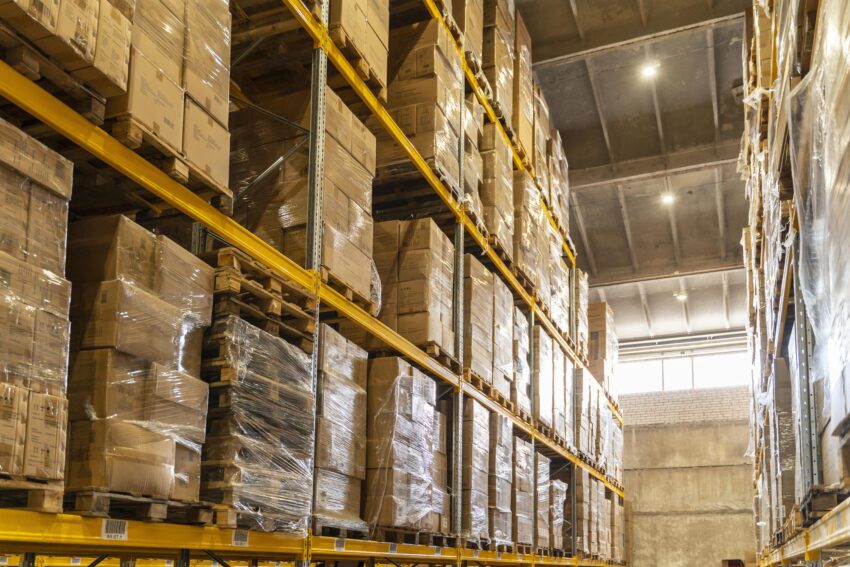
Pallet storage refers to the method of organizing goods that are placed on pallets — flat wooden, plastic, or metal platforms — inside a warehouse or distribution center. Pallets allow goods to be stacked, moved, and stored easily with forklifts or pallet jacks. But stacking pallets anywhere is not enough. The way you store them can make or break your warehouse’s efficiency.

Imagine a library where books are thrown randomly on the floor. Sure, you have all the books, but finding the one you need becomes a nightmare. A warehouse without a good pallet storage system works the same way. You might have inventory, but accessing it wastes time, labor, and money.


Why is Pallet Storage So Important?

Here’s where the hidden science comes in. The way you store pallets influences nearly every part of your logistics operation:

  • Space Utilization: Warehouses are expensive. Every square meter counts. Poor storage means wasted space.
  • Inventory Accessibility: Can you get to the pallets you need quickly? Or do you waste time moving other pallets first?
  • Safety: Unstable or poorly stacked pallets create serious hazards for workers.
  • Operational Speed: The faster you can store, retrieve, and ship goods, the better your customer service.
  • Cost Control: Efficient storage reduces labor, equipment use, and even energy consumption.

In short: good pallet storage isn’t just about neatness. It directly affects your profits.


Different Types of Pallet Storage Systems

Not all warehouses are created equal. What works for a grocery distribution center may be useless for a car parts warehouse. That’s why there are different pallet storage systems, each with pros and cons.

1. Block Stacking

This is the most basic method. Pallets are simply stacked on top of each other directly on the floor.

  • Pros: Low cost, no special equipment needed.
  • Cons: Limited stacking height due to stability and weight; hard to access pallets at the bottom.

When to use: For uniform, stable products that move quickly (high turnover).

2. Selective Pallet Racking

Probably the most common system. Pallets sit on horizontal beams supported by upright frames.

  • Pros: Easy access to every pallet; flexible; relatively low cost.
  • Cons: Uses more floor space compared to denser systems.

When to use: For warehouses with many different products needing regular access.

3. Drive-In / Drive-Through Racking

Forklifts drive directly into the storage lanes to deposit or retrieve pallets.

  • Pros: Very high storage density.
  • Cons: Limited access (last-in, first-out system for drive-in); potential safety issues.

When to use: For large quantities of identical products with predictable turnover patterns.

4. Push Back Racking

Pallets are loaded onto nested carts that move backward as more pallets are added.

  • Pros: High-density storage; better accessibility than drive-in.
  • Cons: More expensive; limited depth.

When to use: For medium turnover inventory with multiple pallets of the same SKU.

5. Pallet Flow (Gravity Flow) Racking

Pallets are loaded on one side and glide down inclined rollers to the picking side.

  • Pros: Automatic stock rotation (first-in, first-out); very efficient.
  • Cons: High installation cost; needs precise product uniformity.

When to use: For perishable goods or high-volume operations.

6. Automated Pallet Storage (AS/RS)

Fully automated systems using conveyors, shuttles, and robotic cranes.

  • Pros: Maximum space utilization, fast retrieval, low labor cost.
  • Cons: Extremely high initial cost; complex maintenance.

When to use: For large-scale operations where automation is viable economically.


How to Choose the Right Pallet Storage System

Choosing the right system is not just about the cheapest or fanciest option. You need to match your storage method with your business needs.

Ask yourself:

  • How many SKUs do I manage?
  • What is the turnover rate of my inventory?
  • Are my products uniform or mixed?
  • Do I need FIFO (First-In, First-Out) or LIFO (Last-In, First-Out)?
  • How much space is available vertically and horizontally?
  • What is my budget for equipment and installation?

A small parts distributor with thousands of SKUs may prefer selective racking. A beverage manufacturer with identical pallets of soda may choose drive-in racking for maximum density. A pharmaceutical giant may invest in AS/RS for precision, speed, and traceability.


The Cost of Poor Pallet Storage

Let’s talk real numbers.

Inefficient pallet storage can bleed money out of your business every single day. Here’s how:

  • Wasted Labor: If workers spend 20% more time locating and retrieving pallets, that labor cost adds up quickly.
  • Inventory Loss: Poor stacking leads to product damage. Damaged inventory means refunds, replacements, and lost sales.
  • Safety Incidents: Workplace accidents cost money — in downtime, lawsuits, and damaged reputation.
  • Lost Space: If you use only 60% of your available cubic volume, you’re effectively renting empty air.

Think of pallet storage like the foundation of a house. If the foundation is weak, everything above it — operations, costs, customer satisfaction — becomes shaky.


Optimizing Pallet Storage: Small Tweaks, Big Results

You don’t always need to overhaul your entire warehouse. Often, small changes deliver huge gains.

Slotting Optimization

Place fast-moving items closer to the shipping dock. Reorganize SKUs by turnover rates. This reduces travel time and improves picking efficiency.

Maximize Vertical Space

Many warehouses waste overhead space. Consider taller racking systems or mezzanines to make better use of cubic volume.

Standardize Pallets and Packaging

The more uniform your pallet loads, the easier they are to store densely and safely. Invest in consistent packaging standards.

Invest in Technology

Warehouse Management Systems (WMS) can track inventory locations, analyze storage efficiency, and even suggest slotting changes automatically.

Train Staff

Well-trained forklift operators and warehouse staff handle pallets faster, safer, and more precisely, reducing errors and accidents.


The Role of Pallet Storage in Modern Logistics Trends

The world of logistics is changing fast, and pallet storage must keep up. Let’s look at some big trends influencing storage strategies:

E-Commerce Boom

Online shopping creates high SKU variety with smaller order sizes. Warehouses must be agile, able to store diverse products and pick them quickly.

Sustainability Pressure

Efficient storage reduces energy use and physical footprint. Better storage = greener operations.

Labor Shortages

With skilled labor harder to find, automation becomes more attractive. Automated storage solutions can compensate for workforce gaps.

Just-In-Time vs. Safety Stock

The pandemic taught companies the risks of lean inventory. Many are now increasing safety stock levels, requiring smarter storage strategies to handle more inventory without expanding physical space.


Future Innovations in Pallet Storage

The next decade will see exciting developments:

  • AI-Driven Warehouse Layouts: Algorithms that constantly analyze and optimize where items should be stored.
  • Smart Pallets with RFID: Pallets that communicate their contents and status, improving traceability.
  • Flexible Robotics: Autonomous mobile robots (AMRs) that handle pallet movement without fixed racking.
  • Dynamic Racking: Adjustable racking systems that can change configuration on the fly based on inventory needs.

Warehouses will become living, breathing systems — constantly adapting to business demands in real-time.


Conclusion: Pallet Storage is the Silent Hero

It’s easy to overlook pallet storage because it isn’t flashy. There are no glowing dashboards or exciting marketing slogans. But behind every fast, efficient, and profitable supply chain lies an optimized storage system doing its quiet, essential work.

The companies that master pallet storage gain:

  • Lower costs
  • Faster operations
  • Higher safety
  • Better customer satisfaction
  • Competitive advantage

In logistics, small improvements compound into massive gains. If you think of your warehouse like a puzzle, pallet storage is the way you fit all the pieces together perfectly.

industrial air systems

Industrial Air Systems: The Backbone of Modern Manufacturing Environments

Posted on 05/28/202505/28/2025 by admin

Introduction

In the heart of every efficient industrial operation, there’s one component that often goes unnoticed, yet is absolutely essential: the air system. From powering pneumatic tools to maintaining safe, breathable environments in harsh production settings, industrial air systems play a critical role in keeping businesses operational, compliant, and energy-efficient.

If you run a manufacturing plant, a warehouse, or any facility that handles processes requiring compressed air, ventilation, or air purification, the right air system is not just a technical detail — it’s a strategic asset.


What Are Industrial Air Systems?

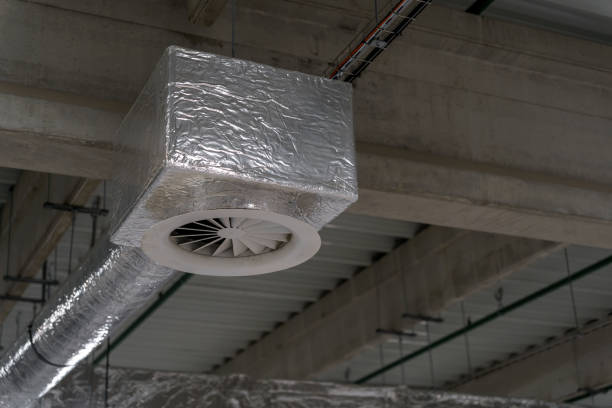
Industrial air systems are comprehensive installations designed to manage air flow, air pressure, air quality, and temperature within industrial facilities. They include components such as compressors, dryers, filters, ducting, and ventilation units, and are used for tasks ranging from tool operation and material handling to maintaining regulatory air quality standards.

In essence, these systems manage both the compressed air used to power tools and machinery, and the ventilation air required to ensure clean and safe working environments.


Why Industrial Air Systems Matter

Unlike residential or light commercial air solutions, industrial air systems are engineered to perform under extreme conditions. They must deliver consistent performance across long shifts, in dusty or high-temperature environments, and under regulatory scrutiny for emissions and air quality compliance.

The consequences of a poorly designed or outdated system can be severe: production downtime, increased energy costs, equipment failure, regulatory fines, and even worker health issues.


Types of Industrial Air Systems

There are several types of systems, each with distinct purposes and configurations, depending on the nature of the industry and processes involved.

Compressed Air Systems

Used in virtually every manufacturing sector, these systems include compressors, air tanks, filters, regulators, and piping. They’re essential for powering air tools, actuators, conveyors, and control systems.

HVAC and Ventilation Systems

Focused on air circulation, temperature control, and contaminant removal. These systems are critical in industries where air quality and worker safety are a top concern — such as pharmaceuticals, food processing, and chemical plants.

Dust Collection Systems

In woodworking, metal fabrication, and mining, dust is more than a nuisance — it’s a hazard. Industrial air systems with integrated dust collectors help meet OSHA regulations and protect both workers and equipment.

Cleanroom Air Handling

For industries like electronics, biotech, and aerospace, air purity is non-negotiable. These systems include HEPA filters, pressure controls, and specialized airflow patterns to eliminate contamination.


Key Components of an Industrial Air System

Let’s break down the essential elements of a robust industrial air system:

Air Compressors: The powerhouse of compressed air systems. Rotary screw compressors are preferred for continuous use, while piston compressors are suitable for lower-duty cycles.

Air Dryers: Moisture in compressed air can cause corrosion and ruin sensitive equipment. Refrigerated or desiccant dryers ensure dry, clean air reaches the point of use.

Filtration Units: Filters remove oil, particles, and contaminants. Multi-stage filtration improves air quality and extends equipment life.

Ducting and Distribution: Duct design affects pressure loss, flow rate, and energy efficiency. Proper sizing and layout are critical.

Control Systems: Smart controllers and sensors optimize energy use, monitor performance, and alert operators to maintenance needs.

Ventilation Fans and Air Handlers: For removing fumes, regulating temperatures, and supplying fresh air. These are vital for both comfort and compliance.


Energy Efficiency and Cost Reduction

Air systems are among the largest energy consumers in industrial environments. Poorly maintained or oversized systems can waste up to 30% of their energy. Implementing variable speed drives, regular leak detection, and smart monitoring can yield significant savings.

Modern systems can be integrated with energy management platforms to adjust air delivery based on real-time demand. This approach not only reduces operating costs but extends system life and supports sustainability goals.


Regulatory Compliance and Worker Safety

Industrial air systems must comply with a host of EU and national regulations, including:

  • ISO 8573 for compressed air purity
  • OSHA/REACH regulations for air quality in the workplace
  • EN 779/EN ISO 16890 for filter performance

Failing to meet these standards can lead to severe penalties and reputational damage. More importantly, clean and well-ventilated air is a fundamental requirement for occupational health.

Properly designed systems prevent buildup of harmful particulates, regulate humidity and temperature, and remove chemical fumes — ensuring a safer, healthier work environment.


Custom Design vs Off-the-Shelf Solutions

Every industrial site is different. A factory processing meat will have very different air needs compared to an aluminum extrusion plant. This is why many businesses opt for custom-designed air systems tailored to their workflows, building layout, environmental conditions, and compliance needs.

While off-the-shelf solutions may suffice for smaller operations, scalability, energy optimization, and future-proofing are best achieved with custom-engineered systems.


Maintenance and Lifecycle Management

A great air system is only as reliable as its maintenance program. Regular checks, filter replacements, leak tests, and software updates are essential. Predictive maintenance, supported by IoT sensors and remote diagnostics, is increasingly common and helps avoid costly downtime.

Maintaining a clear logbook, scheduling periodic audits, and training in-house staff ensures longer system life and peak efficiency.


Case Studies and Applications

Let’s take a look at how industrial air systems are making a difference across sectors:

Food and Beverage: Clean air is crucial for packaging, bottling, and preserving product integrity. Oil-free compressors and antimicrobial ductwork are often used.

Automotive Manufacturing: Pneumatic tools are everywhere. High-pressure compressed air systems, integrated with robotic arms and conveyors, streamline production.

Chemical Processing: Ventilation systems handle volatile compounds. Explosion-proof fans and filtration units are vital for safety.

Logistics Warehouses: Air handling systems maintain temperature and filter air in massive storage spaces, improving working conditions and product preservation.


Choosing the Right Partner

Selecting the right supplier or integrator is just as important as choosing the right equipment. Look for providers with experience in your industry, strong technical support, and a track record of scalable implementations.

An expert partner can offer:

  • On-site air audits
  • Custom design and installation
  • Integration with existing systems
  • Ongoing support and compliance monitoring

Conclusion

In today’s industrial landscape, air is more than just an element — it’s infrastructure. An optimized industrial air system enhances productivity, reduces costs, and protects both people and products.

Whether you’re upgrading an old system or building a new facility, investing in the right air solution is a move that pays off across every dimension of your business.

  • Previous
  • 1
  • 2
  • 3
  • Next
  • Best Digital Agency in Italy: How to Choose the Right Partner for Your Business
  • Mobile Exhaust Extraction System: The Ultimate Workshop Safety Guide
  • Unlocking growth: the strategic role of a comprehensive Italian SEO audit in 2026
  • Elevating exhibitions: the transformative power of modular display systems
  • The Numen standard: unlocking peak performance in extreme conditions
  • Business
  • Business Fundamentals
  • Global Business Strategy
  • Sustainable Business

Copyright ©global-logistics-usa.com. All rights reserved. Reproduction, even partial, is prohibited without authorization. global-logistics-usa.com is an editorial project by Web Leaders Srl featuring content based on personal opinions aimed at sharing, as well as resharing texts freely sourced from the web, with no intention of replacing official sources. For more information, feel free to contact us.

global logistics usa- business
Disclaimer

WEB LEADERS SRL UNIPERSONALE S.r.l. | Corso Stati Uniti, 23/F – Attico 3rd Floor 35127 Padua PD – Italy | email: info@webleaders.it REA Number PD – 456689 | VAT No. 05276180287 | Recipient Code M5UXCR1 | Certified Email (PEC): pec@pec.webleaders.it | Share Capital €10,000 fully paid | Phone: +39 340 217 8756

© 2026 Global Logistics Usa | Powered by Minimalist Blog WordPress Theme