
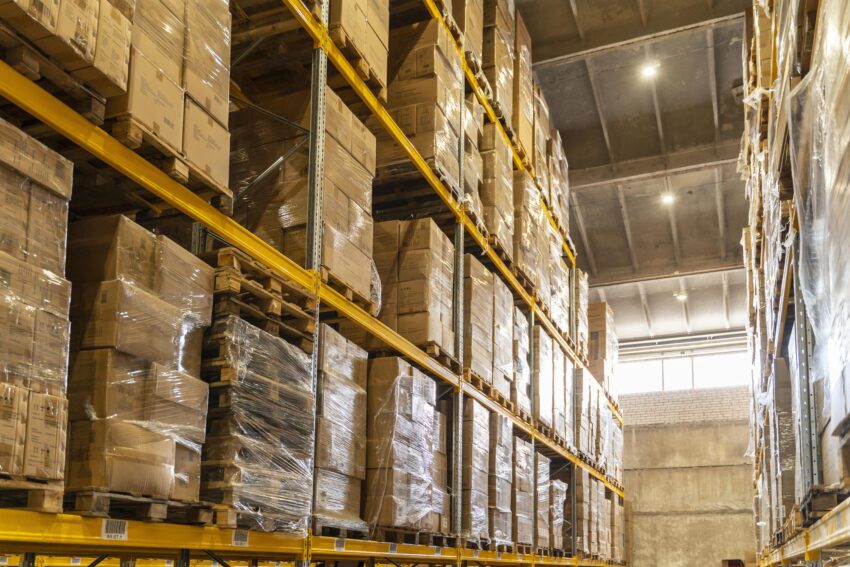
When people think about logistics, they often imagine trucks, ships, containers, and miles of roads. But at the heart of any efficient supply chain lies something far more static, yet just as critical: pallet storage. It’s the quiet backbone of warehouses worldwide. Without efficient pallet storage systems, the entire logistics machine risks grinding to a halt.
In this guide, we’ll dive deep into the world of pallet storage. You’ll learn what it is, why it’s vital, how different systems work, and how to optimize it for maximum efficiency. Think of it like tuning the engine of a high-performance race car. The better your pallet storage works, the smoother and faster your entire operation runs.
What is Pallet Storage?
Let’s start simple.
Pallet storage refers to the method of organizing goods that are placed on pallets — flat wooden, plastic, or metal platforms — inside a warehouse or distribution center. Pallets allow goods to be stacked, moved, and stored easily with forklifts or pallet jacks. But stacking pallets anywhere is not enough. The way you store them can make or break your warehouse’s efficiency.
Imagine a library where books are thrown randomly on the floor. Sure, you have all the books, but finding the one you need becomes a nightmare. A warehouse without a good pallet storage system works the same way. You might have inventory, but accessing it wastes time, labor, and money.
Why is Pallet Storage So Important?
Here’s where the hidden science comes in. The way you store pallets influences nearly every part of your logistics operation:
- Space Utilization: Warehouses are expensive. Every square meter counts. Poor storage means wasted space.
- Inventory Accessibility: Can you get to the pallets you need quickly? Or do you waste time moving other pallets first?
- Safety: Unstable or poorly stacked pallets create serious hazards for workers.
- Operational Speed: The faster you can store, retrieve, and ship goods, the better your customer service.
- Cost Control: Efficient storage reduces labor, equipment use, and even energy consumption.
In short: good pallet storage isn’t just about neatness. It directly affects your profits.
Different Types of Pallet Storage Systems
Not all warehouses are created equal. What works for a grocery distribution center may be useless for a car parts warehouse. That’s why there are different pallet storage systems, each with pros and cons.
1. Block Stacking
This is the most basic method. Pallets are simply stacked on top of each other directly on the floor.
- Pros: Low cost, no special equipment needed.
- Cons: Limited stacking height due to stability and weight; hard to access pallets at the bottom.
When to use: For uniform, stable products that move quickly (high turnover).
2. Selective Pallet Racking
Probably the most common system. Pallets sit on horizontal beams supported by upright frames.
- Pros: Easy access to every pallet; flexible; relatively low cost.
- Cons: Uses more floor space compared to denser systems.
When to use: For warehouses with many different products needing regular access.
3. Drive-In / Drive-Through Racking
Forklifts drive directly into the storage lanes to deposit or retrieve pallets.
- Pros: Very high storage density.
- Cons: Limited access (last-in, first-out system for drive-in); potential safety issues.
When to use: For large quantities of identical products with predictable turnover patterns.
4. Push Back Racking
Pallets are loaded onto nested carts that move backward as more pallets are added.
- Pros: High-density storage; better accessibility than drive-in.
- Cons: More expensive; limited depth.
When to use: For medium turnover inventory with multiple pallets of the same SKU.
5. Pallet Flow (Gravity Flow) Racking
Pallets are loaded on one side and glide down inclined rollers to the picking side.
- Pros: Automatic stock rotation (first-in, first-out); very efficient.
- Cons: High installation cost; needs precise product uniformity.
When to use: For perishable goods or high-volume operations.
6. Automated Pallet Storage (AS/RS)
Fully automated systems using conveyors, shuttles, and robotic cranes.
- Pros: Maximum space utilization, fast retrieval, low labor cost.
- Cons: Extremely high initial cost; complex maintenance.
When to use: For large-scale operations where automation is viable economically.
How to Choose the Right Pallet Storage System
Choosing the right system is not just about the cheapest or fanciest option. You need to match your storage method with your business needs.
Ask yourself:
- How many SKUs do I manage?
- What is the turnover rate of my inventory?
- Are my products uniform or mixed?
- Do I need FIFO (First-In, First-Out) or LIFO (Last-In, First-Out)?
- How much space is available vertically and horizontally?
- What is my budget for equipment and installation?
A small parts distributor with thousands of SKUs may prefer selective racking. A beverage manufacturer with identical pallets of soda may choose drive-in racking for maximum density. A pharmaceutical giant may invest in AS/RS for precision, speed, and traceability.
The Cost of Poor Pallet Storage
Let’s talk real numbers.
Inefficient pallet storage can bleed money out of your business every single day. Here’s how:
- Wasted Labor: If workers spend 20% more time locating and retrieving pallets, that labor cost adds up quickly.
- Inventory Loss: Poor stacking leads to product damage. Damaged inventory means refunds, replacements, and lost sales.
- Safety Incidents: Workplace accidents cost money — in downtime, lawsuits, and damaged reputation.
- Lost Space: If you use only 60% of your available cubic volume, you’re effectively renting empty air.
Think of pallet storage like the foundation of a house. If the foundation is weak, everything above it — operations, costs, customer satisfaction — becomes shaky.
Optimizing Pallet Storage: Small Tweaks, Big Results
You don’t always need to overhaul your entire warehouse. Often, small changes deliver huge gains.
Slotting Optimization
Place fast-moving items closer to the shipping dock. Reorganize SKUs by turnover rates. This reduces travel time and improves picking efficiency.
Maximize Vertical Space
Many warehouses waste overhead space. Consider taller racking systems or mezzanines to make better use of cubic volume.
Standardize Pallets and Packaging
The more uniform your pallet loads, the easier they are to store densely and safely. Invest in consistent packaging standards.
Invest in Technology
Warehouse Management Systems (WMS) can track inventory locations, analyze storage efficiency, and even suggest slotting changes automatically.
Train Staff
Well-trained forklift operators and warehouse staff handle pallets faster, safer, and more precisely, reducing errors and accidents.
The Role of Pallet Storage in Modern Logistics Trends
The world of logistics is changing fast, and pallet storage must keep up. Let’s look at some big trends influencing storage strategies:
E-Commerce Boom
Online shopping creates high SKU variety with smaller order sizes. Warehouses must be agile, able to store diverse products and pick them quickly.
Sustainability Pressure
Efficient storage reduces energy use and physical footprint. Better storage = greener operations.
Labor Shortages
With skilled labor harder to find, automation becomes more attractive. Automated storage solutions can compensate for workforce gaps.
Just-In-Time vs. Safety Stock
The pandemic taught companies the risks of lean inventory. Many are now increasing safety stock levels, requiring smarter storage strategies to handle more inventory without expanding physical space.
Future Innovations in Pallet Storage
The next decade will see exciting developments:
- AI-Driven Warehouse Layouts: Algorithms that constantly analyze and optimize where items should be stored.
- Smart Pallets with RFID: Pallets that communicate their contents and status, improving traceability.
- Flexible Robotics: Autonomous mobile robots (AMRs) that handle pallet movement without fixed racking.
- Dynamic Racking: Adjustable racking systems that can change configuration on the fly based on inventory needs.
Warehouses will become living, breathing systems — constantly adapting to business demands in real-time.
Conclusion: Pallet Storage is the Silent Hero
It’s easy to overlook pallet storage because it isn’t flashy. There are no glowing dashboards or exciting marketing slogans. But behind every fast, efficient, and profitable supply chain lies an optimized storage system doing its quiet, essential work.
The companies that master pallet storage gain:
- Lower costs
- Faster operations
- Higher safety
- Better customer satisfaction
- Competitive advantage
In logistics, small improvements compound into massive gains. If you think of your warehouse like a puzzle, pallet storage is the way you fit all the pieces together perfectly.