
global logistics usa- business
Menu
  • Submit a news tip
  • DISCLAIMER
  • Contact us
Menu

Category: Sustainable Business

modular display systems - t3 systems

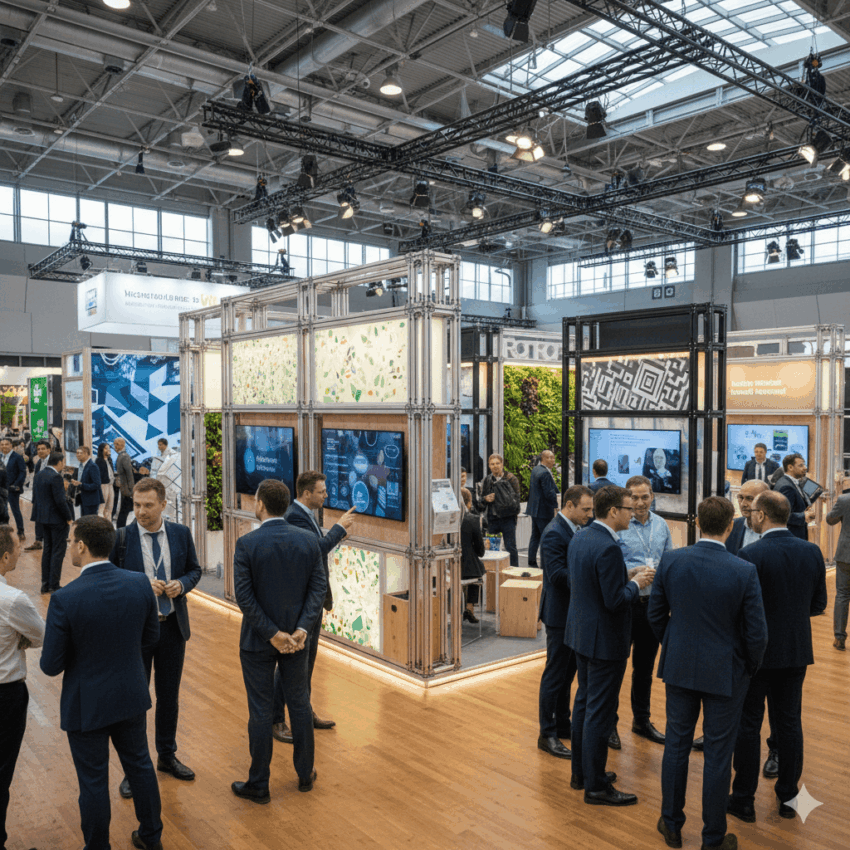
Elevating exhibitions: the transformative power of modular display systems

Posted on 11/19/2025 by admin

Beyond the budget: deconstructing hidden costs of traditional displays

When planning your exhibition strategy, the quoted price for a traditional display often appears straightforward. However, this upfront figure masks a complex web of unforeseen expenses. You might budget for the structure, but what about the invisible costs lurking beneath the surface? These hidden financial drains can significantly inflate your overall project spend.

Consider the true burden of assembly. Traditional exhibition stands require extensive, often specialized labor. Complex installations mean longer hours and higher wages for your team or contractors. Then comes transportation. Bulky, custom-fabricated components demand larger vehicles and incur substantial shipping costs. And where do these unique structures go between events? Expensive, off-site storage facilities quickly accumulate, steadily eroding your projected ROI.

Perhaps the most impactful hidden cost is the inherent lack of reusability. A bespoke traditional display is often purpose-built for a single event or a very short campaign life. This approach necessitates repeated investment in new designs and materials for every subsequent show. This relentless cycle of ‘build-use-discard’ is not only financially exhausting but also environmentally unsustainable. It diminishes your long-term return on investment, forcing continuous capital outlay.

These accumulating expenditures transform a seemingly fixed budget into an unpredictable financial drain. They divert crucial resources away from core marketing efforts or product innovation. Your brand deserves an exhibition strategy that delivers consistent value, not persistent unforeseen costs. It’s time to look beyond the initial price tag.

Engineering growth: the unmatched scalability of modular display systems

Your business trajectory is rarely static. You face evolving market demands, new opportunities, and shifting event landscapes. Relying on rigid, single-use exhibition solutions means constant compromise and escalating costs, forcing your brand to fit the display, not the other way around. Modular display systems are engineered precisely for this dynamic environment, offering a level of flexibility conventional setups simply cannot match.

Imagine an exhibit that effortlessly expands for a major international trade show, then reconfigures into smaller, impactful displays for regional seminars or showroom promotions. This isn’t just convenience; it’s a strategic advantage. T3 Systems’ modular solutions adapt seamlessly to varying venue sizes and diverse event types. You gain the power to perfectly tailor your brand presence without complex rebuilds or expensive new purchases, ensuring optimal engagement every time.

This inherent flexibility guarantees your exhibition assets remain relevant year after year. As your brand grows or marketing strategies pivot, your display system evolves with you. Expanding or reconfiguring your exhibit becomes a streamlined process, free from the typical logistical headaches and budget overruns. You avoid the cycle of disposable displays, securing a sustainable and agile marketing tool for the long haul.

Choosing a modular display system from T3 Systems is more than just a purchase; it’s a wise, long-term investment in your brand’s future visibility and efficiency. This unparalleled adaptability and ease of transformation empower you to scale your presence confidently, maximizing your return on investment and propelling your growth without limitations.

Unleashing brand vision: design freedom with modular exhibition solutions

Are you tired of exhibition stands that force your brand into a pre-defined mold? Static displays often stifle creativity, making it difficult to truly express your unique brand identity. Modular display systems remove these design barriers, offering a revolutionary path to exhibition success. Imagine a world where your creative vision is the only limit, not the constraints of your setup.

With T3 Systems, you gain unparalleled design freedom. Our innovative systems empower you to craft unique, impactful presentations every single time. You can go beyond standard booths, building bespoke environments that perfectly reflect your brand’s true identity and values. This is true creative liberation for your brand, allowing you to captivate your audience like never before.

The possibilities are infinite. Easily integrate striking graphics, dynamic lighting, and cutting-edge interactive elements into your custom design. These modular exhibition solutions ensure every component supports your narrative, creating a cohesive and memorable experience. Every element works in harmony to tell your unique story, engaging visitors on multiple levels and maximizing your presence.

Forget the exorbitant costs associated with custom-built stands. T3’s modularity delivers sophisticated aesthetics and adaptability without the premium investment. You gain the flexibility to reconfigure, resize, and reinvent your display for different events, ensuring long-term value and sustainability. Achieve bespoke aesthetics without the bespoke price tag, transforming your exhibition strategy into a powerful, adaptable canvas for your vision.

Smart investment: maximizing roi through modular system cost-effectiveness

Forget conventional wisdom regarding exhibition costs. Your investment in a modular display system isn’t just an expense; it’s a strategic asset designed for long-term ROI. Unlike single-use solutions, these systems offer compounding returns. They dramatically impact your bottom line. This elevates your exhibition strategy from a recurring cost to a shrewd financial move.

Consider the hidden costs of traditional setups. Lengthy assembly times and extensive labor bills often drain your budget. T3 Systems’ tool-free modular display systems drastically cut setup and dismantle times. This means significantly less manpower is needed. You free up valuable team resources for more critical tasks. Your operational efficiency soars, turning exhibition logistics into a seamless, cost-effective process.

Beyond installation, significant savings emerge in transportation and storage. Our lightweight, compact designs translate directly to lower transport costs. They also require less storage space, whether in your facility or a third-party warehouse. This reduces your overall exhibition footprint and associated expenses. Crucially, the robust reusability of these modular display systems eliminates constant new builds, avoiding the recurring waste of materials and budget.

Embrace a smarter, more sustainable approach for your brand. Each T3 modular system is built for countless reconfigurations. It effortlessly adapts to diverse event layouts and marketing messages. This unparalleled adaptability ensures your initial investment continues to pay dividends for years. You maximize your brand’s presence without sacrificing fiscal responsibility. Ultimately, this delivers a superior, verifiable return on investment for every exhibition.

Building a greener future: sustainability with reusable display technologies

Today, the demand for corporate environmental responsibility is stronger than ever. Your brand’s commitment to sustainability is now a crucial differentiator, influencing consumer choices and partnerships. Traditional exhibition practices, with their cycle of single-use materials and significant waste, no longer align with these modern expectations. It’s time to redefine your approach to event marketing.

This imperative for a greener future points directly to innovative modular display systems. These advanced structures are engineered for continuous reuse, transforming the conventional throwaway model into a circular economy. Imagine exhibition stands designed for endless reusability, with components that can be reconfigured, repurposed, and even recycled at the end of their exceptionally long life cycle. This drastically reduces landfill waste and the environmental strain associated with constant new production.

T3 Systems champions this environmental responsibility through its robust design. Our tool-free assembly systems mean quicker setups and tear-downs, reducing labor and energy consumption on-site. Furthermore, the durability of our materials ensures longevity. Each component is built for longevity, minimizing your ecological footprint across countless events, exhibition after exhibition. This investment in quality translates directly into a reduced carbon footprint, from manufacturing through transportation to disposal.

By embracing these reusable display technologies, you are not merely building a stand; you are making a powerful statement about your values. This strategic alignment with eco-conscious practices resonates deeply with modern audiences, enhancing your brand’s reputation and fostering trust. Position your brand as a leader in environmental stewardship, appealing to a growing segment of consumers who prioritize sustainability. This is more than just good business; it is responsible business.

Conclusion

The future of exhibition display is clear: modular systems offer unmatched benefits. They empower brands with scalability, creative freedom, and crucial cost-effectiveness. Move beyond outdated display methods and embrace innovation. Discover how advanced, reusable systems can transform your next event.
Beach Pergola

Beach Pergolas: The Art of Crafting Shade Where Luxury Meets Logistics

Posted on 06/19/2025 by admin

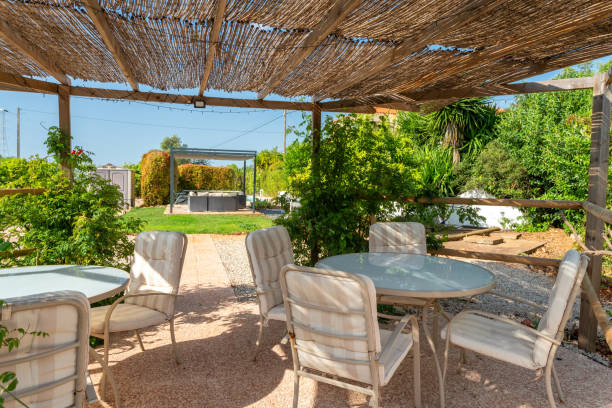
When you hear the word beach pergola, your mind likely conjures up images of exotic shorelines, the rhythmic sound of waves crashing, and a light breeze filtering through a canopy of thatched palm leaves. But behind this idyllic picture lies a world that few consider: the world of logistics.

Designing, producing, transporting, and installing a beach pergola is not as simple as dropping a few wooden posts into the sand. Especially when you’re dealing with high-end resorts, luxury beach clubs, or exclusive private villas, the stakes rise dramatically. This is where African-style beach pergolas enter the stage, merging artisanal charm with logistical mastery.

The Essence of a Beach Pergola: More Than Just Shade

At first glance, a beach pergola is a simple structure: four posts, a roof, and perhaps some flowing drapery. But for those managing coastal properties, it represents much more.

A beach pergola defines space in an otherwise open, uncontrolled environment. It’s a functional sculpture that balances form and purpose:

  • It provides shelter from the sun’s punishing rays.
  • It creates an intimate, inviting atmosphere for guests.
  • It withstands harsh coastal elements: wind, salt, moisture, and intense UV exposure.

Choosing the right beach pergola means balancing aesthetics, durability, maintenance, and — most crucially for our audience — logistics.

Why African-Style Beach Pergolas Are in High Demand

When we say “African-style,” we’re referring to traditional techniques and materials used for centuries across the African continent. Think Makuti palm thatching from East Africa, heavy wooden beams crafted from sustainable hardwoods, and artisanal joinery that requires minimal hardware. These structures exude authenticity. They feel organic because they are organic.

But what makes them so appealing for luxury logistics?

  1. Authenticity sells. High-end resorts sell experiences, not structures. An African-style beach pergola isn’t a generic gazebo from a hardware store; it’s a storytelling piece.
  2. Durability. Properly sourced African hardwoods and traditional thatching techniques are designed to withstand monsoon winds, intense heat, and tropical moisture.
  3. Customizability. Artisans can tailor the design to fit unique spatial constraints, aesthetic visions, or branding guidelines.

The Logistics Challenge of Beach Pergolas

Site Assessment: The First Domino

Every successful beach pergola installation starts with meticulous site analysis:

  • Soil composition: Is it pure sand? Are there rocky layers underneath? Will we need to anchor deeper?
  • Wind exposure: Some beaches act as wind tunnels; others are sheltered. This dictates the structural reinforcements required.
  • Salt spray zones: Corrosive salt particles demand specific choices in hardware and wood treatment.

For logistics professionals, understanding these variables determines everything that follows: design specifications, material selection, transportation requirements, and installation protocols.

Material Sourcing: The African Advantage

Sourcing African hardwoods like Iroko, Mahogany, or African Teak isn’t just about finding beautiful timber. It’s about balancing:

  • Sustainability (legal harvesting, certifications like FSC)
  • Transport readiness (kiln drying, container packing)
  • Resistance to coastal elements (natural oils and density reduce rot and insect damage)

Makuti thatching, for instance, requires careful harvesting of palm leaves, skilled drying, and precise bundling to survive shipping and maintain quality.

International Transportation: A Game of Precision

Shipping raw materials or prefabricated kits from Africa to a beachfront destination halfway across the world requires finesse. Considerations include:

  • Container optimization (minimizing unused space while preventing crushing weight)
  • Humidity control during transit (preserving wood moisture balance)
  • Customs documentation (CITES certificates for protected species, phytosanitary certificates, export licenses)

A single missed document can stall an entire project for weeks at port.

On-Site Installation: A Delicate Ballet

Once on-site, logistics turn to engineering. The softness of beach sand can make anchoring a challenge. Solutions may include:

  • Deep footings with buried concrete anchors.
  • Screw piles that twist deep into sand strata.
  • Modular bases designed for seasonal removal.

Every beach pergola must be installed with precision to ensure:

  • Level surfaces for structural balance.
  • Wind load tolerances that match regional codes.
  • Drainage considerations for tropical downpours.

The installation team becomes a hybrid crew: part construction, part marine engineering.

Case Study: The Maldives Resort That Chose African Artistry

Consider the case of a luxury resort chain in the Maldives. They desired not just pergolas, but an entire branding identity centered around “authentic barefoot luxury.”

The logistics partner sourced Makuti thatching from Kenyan artisans, heavy Iroko beams from Ghanaian mills, and custom hardware resistant to salt air corrosion. Each element was pre-measured, tagged, and shipped via multiple sea routes to navigate around regional customs bottlenecks.

Installation teams were flown in, trained on traditional joining techniques to preserve authenticity, and worked closely with local engineers to secure the pergolas against potential cyclone-force winds. Today, those pergolas serve not just as shaded retreats but as Instagram-famous icons for the brand.

Trends Shaping the Future of Beach Pergola Logistics

1. Sustainable sourcing as a brand imperative

Guests are increasingly eco-conscious. Resorts now advertise their use of sustainably sourced hardwoods and ethically harvested thatch as unique selling points.

2. Modular design for easier logistics

Prefabricated modular kits allow for rapid assembly, reduce on-site skilled labor needs, and simplify customs clearances.

3. Hybrid materials blending African aesthetics with modern performance

Some suppliers now offer synthetic Makuti alternatives that visually mimic palm thatch but provide superior longevity. While purists may prefer natural materials, hybrids offer logistical advantages.

4. Digital planning tools optimizing logistics

3D scanning of beachfront properties, VR design previews, and AI-driven shipping route optimization are becoming commonplace, reducing errors and streamlining projects.

Conclusion: Logistics as the Hidden Hero of Beach Pergola Excellence

When a guest steps into a beach pergola, they see romance and relaxation. Behind that lies a silent, complex symphony of artisans, logisticians, engineers, and project managers who made it possible.

For professionals in the logistics chain, understanding the nuances of African-style beach pergolas isn’t just about moving materials. It’s about enabling luxury experiences through flawless execution. The next time you admire a beautiful thatched pergola on a distant shore, remember: true beauty is born not just from design, but from logistics done right.

industrial air systems

Industrial Air Systems: The Backbone of Modern Manufacturing Environments

Posted on 05/28/202505/28/2025 by admin

Introduction

In the heart of every efficient industrial operation, there’s one component that often goes unnoticed, yet is absolutely essential: the air system. From powering pneumatic tools to maintaining safe, breathable environments in harsh production settings, industrial air systems play a critical role in keeping businesses operational, compliant, and energy-efficient.

If you run a manufacturing plant, a warehouse, or any facility that handles processes requiring compressed air, ventilation, or air purification, the right air system is not just a technical detail — it’s a strategic asset.


What Are Industrial Air Systems?

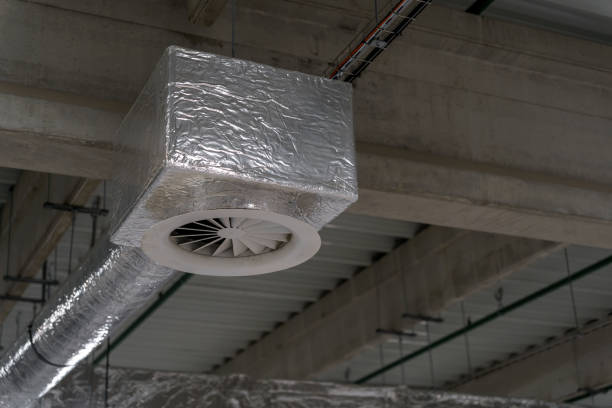
Industrial air systems are comprehensive installations designed to manage air flow, air pressure, air quality, and temperature within industrial facilities. They include components such as compressors, dryers, filters, ducting, and ventilation units, and are used for tasks ranging from tool operation and material handling to maintaining regulatory air quality standards.

In essence, these systems manage both the compressed air used to power tools and machinery, and the ventilation air required to ensure clean and safe working environments.


Why Industrial Air Systems Matter

Unlike residential or light commercial air solutions, industrial air systems are engineered to perform under extreme conditions. They must deliver consistent performance across long shifts, in dusty or high-temperature environments, and under regulatory scrutiny for emissions and air quality compliance.

The consequences of a poorly designed or outdated system can be severe: production downtime, increased energy costs, equipment failure, regulatory fines, and even worker health issues.


Types of Industrial Air Systems

There are several types of systems, each with distinct purposes and configurations, depending on the nature of the industry and processes involved.

Compressed Air Systems

Used in virtually every manufacturing sector, these systems include compressors, air tanks, filters, regulators, and piping. They’re essential for powering air tools, actuators, conveyors, and control systems.

HVAC and Ventilation Systems

Focused on air circulation, temperature control, and contaminant removal. These systems are critical in industries where air quality and worker safety are a top concern — such as pharmaceuticals, food processing, and chemical plants.

Dust Collection Systems

In woodworking, metal fabrication, and mining, dust is more than a nuisance — it’s a hazard. Industrial air systems with integrated dust collectors help meet OSHA regulations and protect both workers and equipment.

Cleanroom Air Handling

For industries like electronics, biotech, and aerospace, air purity is non-negotiable. These systems include HEPA filters, pressure controls, and specialized airflow patterns to eliminate contamination.


Key Components of an Industrial Air System

Let’s break down the essential elements of a robust industrial air system:

Air Compressors: The powerhouse of compressed air systems. Rotary screw compressors are preferred for continuous use, while piston compressors are suitable for lower-duty cycles.

Air Dryers: Moisture in compressed air can cause corrosion and ruin sensitive equipment. Refrigerated or desiccant dryers ensure dry, clean air reaches the point of use.

Filtration Units: Filters remove oil, particles, and contaminants. Multi-stage filtration improves air quality and extends equipment life.

Ducting and Distribution: Duct design affects pressure loss, flow rate, and energy efficiency. Proper sizing and layout are critical.

Control Systems: Smart controllers and sensors optimize energy use, monitor performance, and alert operators to maintenance needs.

Ventilation Fans and Air Handlers: For removing fumes, regulating temperatures, and supplying fresh air. These are vital for both comfort and compliance.


Energy Efficiency and Cost Reduction

Air systems are among the largest energy consumers in industrial environments. Poorly maintained or oversized systems can waste up to 30% of their energy. Implementing variable speed drives, regular leak detection, and smart monitoring can yield significant savings.

Modern systems can be integrated with energy management platforms to adjust air delivery based on real-time demand. This approach not only reduces operating costs but extends system life and supports sustainability goals.


Regulatory Compliance and Worker Safety

Industrial air systems must comply with a host of EU and national regulations, including:

  • ISO 8573 for compressed air purity
  • OSHA/REACH regulations for air quality in the workplace
  • EN 779/EN ISO 16890 for filter performance

Failing to meet these standards can lead to severe penalties and reputational damage. More importantly, clean and well-ventilated air is a fundamental requirement for occupational health.

Properly designed systems prevent buildup of harmful particulates, regulate humidity and temperature, and remove chemical fumes — ensuring a safer, healthier work environment.


Custom Design vs Off-the-Shelf Solutions

Every industrial site is different. A factory processing meat will have very different air needs compared to an aluminum extrusion plant. This is why many businesses opt for custom-designed air systems tailored to their workflows, building layout, environmental conditions, and compliance needs.

While off-the-shelf solutions may suffice for smaller operations, scalability, energy optimization, and future-proofing are best achieved with custom-engineered systems.


Maintenance and Lifecycle Management

A great air system is only as reliable as its maintenance program. Regular checks, filter replacements, leak tests, and software updates are essential. Predictive maintenance, supported by IoT sensors and remote diagnostics, is increasingly common and helps avoid costly downtime.

Maintaining a clear logbook, scheduling periodic audits, and training in-house staff ensures longer system life and peak efficiency.


Case Studies and Applications

Let’s take a look at how industrial air systems are making a difference across sectors:

Food and Beverage: Clean air is crucial for packaging, bottling, and preserving product integrity. Oil-free compressors and antimicrobial ductwork are often used.

Automotive Manufacturing: Pneumatic tools are everywhere. High-pressure compressed air systems, integrated with robotic arms and conveyors, streamline production.

Chemical Processing: Ventilation systems handle volatile compounds. Explosion-proof fans and filtration units are vital for safety.

Logistics Warehouses: Air handling systems maintain temperature and filter air in massive storage spaces, improving working conditions and product preservation.


Choosing the Right Partner

Selecting the right supplier or integrator is just as important as choosing the right equipment. Look for providers with experience in your industry, strong technical support, and a track record of scalable implementations.

An expert partner can offer:

  • On-site air audits
  • Custom design and installation
  • Integration with existing systems
  • Ongoing support and compliance monitoring

Conclusion

In today’s industrial landscape, air is more than just an element — it’s infrastructure. An optimized industrial air system enhances productivity, reduces costs, and protects both people and products.

Whether you’re upgrading an old system or building a new facility, investing in the right air solution is a move that pays off across every dimension of your business.

Business for the Future

Building a Sustainable Business for the Future

Posted on 05/20/202505/20/2025 by admin

Sustainability is no longer optional—it’s the new standard. Consumers, investors, and governments alike are demanding that businesses act responsibly toward the planet and society. Building a sustainable business means integrating environmental, social, and governance (ESG) considerations into every part of your operations.

1. What Is a Sustainable Business?

A sustainable business goes beyond profit to include purpose. It aims to minimize its ecological footprint, treat employees fairly, and contribute positively to society. This isn’t just about ethics—it’s also a competitive advantage.

2. The Rise of Conscious Consumers

Modern consumers care about where their products come from and how companies treat workers and the environment. Brands that align with these values earn trust, loyalty, and often, a price premium.

Statistic: 73% of millennials are willing to spend more on sustainable products.

3. Embedding ESG Into Strategy

To be truly sustainable, companies must bake ESG into their mission, vision, and daily decisions. From sourcing materials responsibly to reducing energy consumption and committing to diversity, every action counts.

Example: Patagonia donates 1% of sales to environmental causes and encourages customers to buy less.

4. Supply Chain Transparency

Know where your materials come from. Invest in traceability and work only with ethical suppliers. Transparent supply chains reduce risk and build brand trust.

Tool: Use blockchain or supply chain management platforms to track sustainability metrics.

5. Sustainability as a Brand Pillar

Sustainability should be visible in your branding, marketing, and customer service. Share your impact transparently and authentically.

6. Measuring Impact and Reporting

What gets measured gets managed. Use sustainability frameworks like GRI (Global Reporting Initiative) or B Corp assessments to track and report progress.

7. Overcoming Greenwashing

Avoid making sustainability claims you can’t back up. Be honest about where you are and what you’re working to improve. Consumers appreciate transparency over perfection.

Conclusion

The future of business is green, inclusive, and purpose-driven. By building sustainability into your core strategy, you don’t just help the planet—you future-proof your brand.

  • Best Digital Agency in Italy: How to Choose the Right Partner for Your Business
  • Mobile Exhaust Extraction System: The Ultimate Workshop Safety Guide
  • Unlocking growth: the strategic role of a comprehensive Italian SEO audit in 2026
  • Elevating exhibitions: the transformative power of modular display systems
  • The Numen standard: unlocking peak performance in extreme conditions
  • Business
  • Business Fundamentals
  • Global Business Strategy
  • Sustainable Business

Copyright ©global-logistics-usa.com. All rights reserved. Reproduction, even partial, is prohibited without authorization. global-logistics-usa.com is an editorial project by Web Leaders Srl featuring content based on personal opinions aimed at sharing, as well as resharing texts freely sourced from the web, with no intention of replacing official sources. For more information, feel free to contact us.

global logistics usa- business
Disclaimer

WEB LEADERS SRL UNIPERSONALE S.r.l. | Corso Stati Uniti, 23/F – Attico 3rd Floor 35127 Padua PD – Italy | email: info@webleaders.it REA Number PD – 456689 | VAT No. 05276180287 | Recipient Code M5UXCR1 | Certified Email (PEC): pec@pec.webleaders.it | Share Capital €10,000 fully paid | Phone: +39 340 217 8756

© 2026 Global Logistics Usa | Powered by Minimalist Blog WordPress Theme